

Explore Our Services
Read more about our individual services below:
-
Our detailed functional visual evaluation assesses over 20 areas of visual function and perception. This evaluation is designed to detect not just obvious deficits, but more subtle visual dysfunction that is often missed during other more standard eye exams and screenings. The evaluation takes approximately 45 minutes to an hour and includes a separate consult meeting with the Doctor about 1 week later to review the findings and recommendations and answer any remaining questions you have.
-
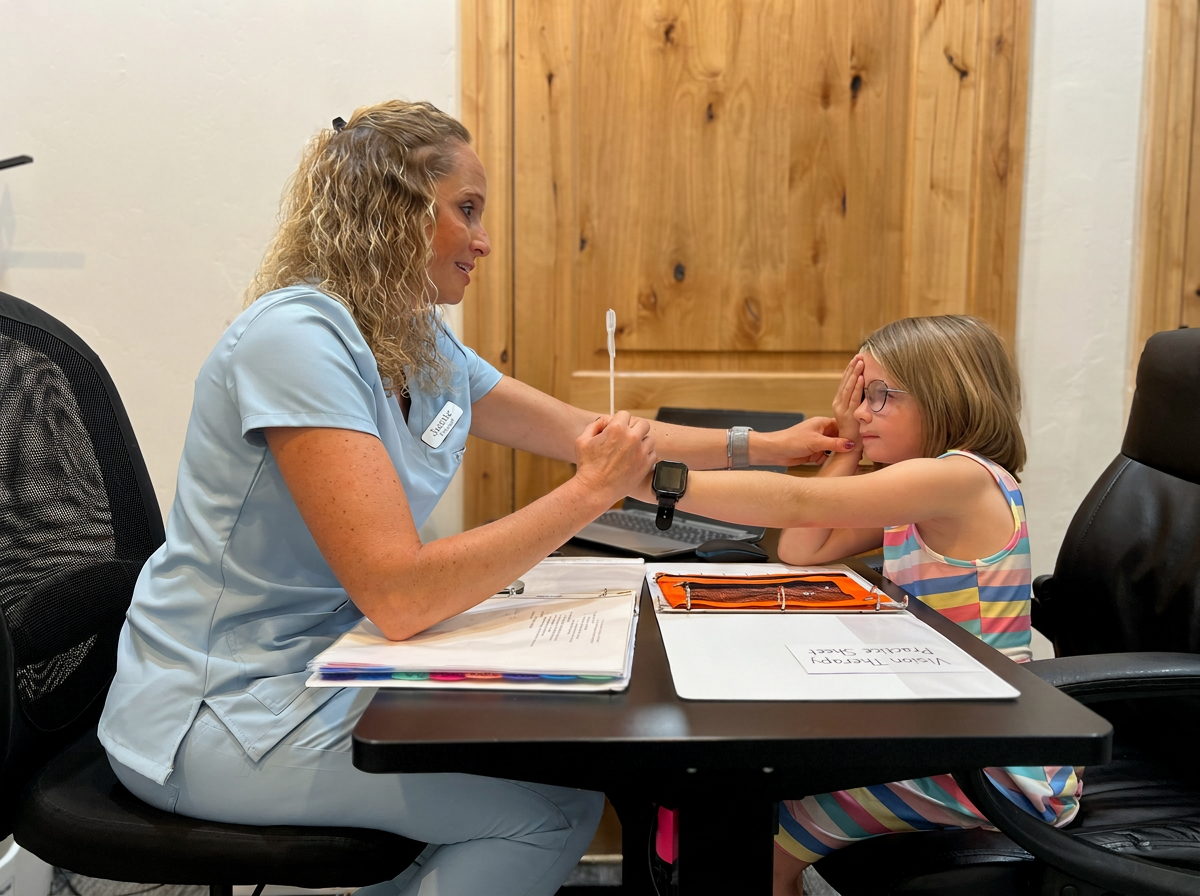
To understand what vision therapy is, it is first important to understand what vision function is. When people think of vision, they often think mainly of "eyesight" or "is my vision a clear 20/20 or is it blurry?" But vision function is way more than eyesight. It includes all the coordinating functions between your brain on your eyes to focus, point, and track your eyes with high precision and stability.
Similar to how a child with speech problems has a healthy mouth but struggles with the way their brain coordinates all the movements of the mouth and tongue, a child with visual dysfunction can have crystal clear 20/20 eyesight but still have major vision problems.
For example, think of how one needs to "cross the eyes inward" when switching from looking at a distant object to an object very close to them just in front of their face. That inward crossing is an example of visual function as you brain needs to perfectly team the 2 eyes together.
More than 10% of the population has visual dysfunction severe enough to need intervention even if they have 20/20 vision and have been told by other health professionals like school nurses or pediatricians that their eyes are fine.
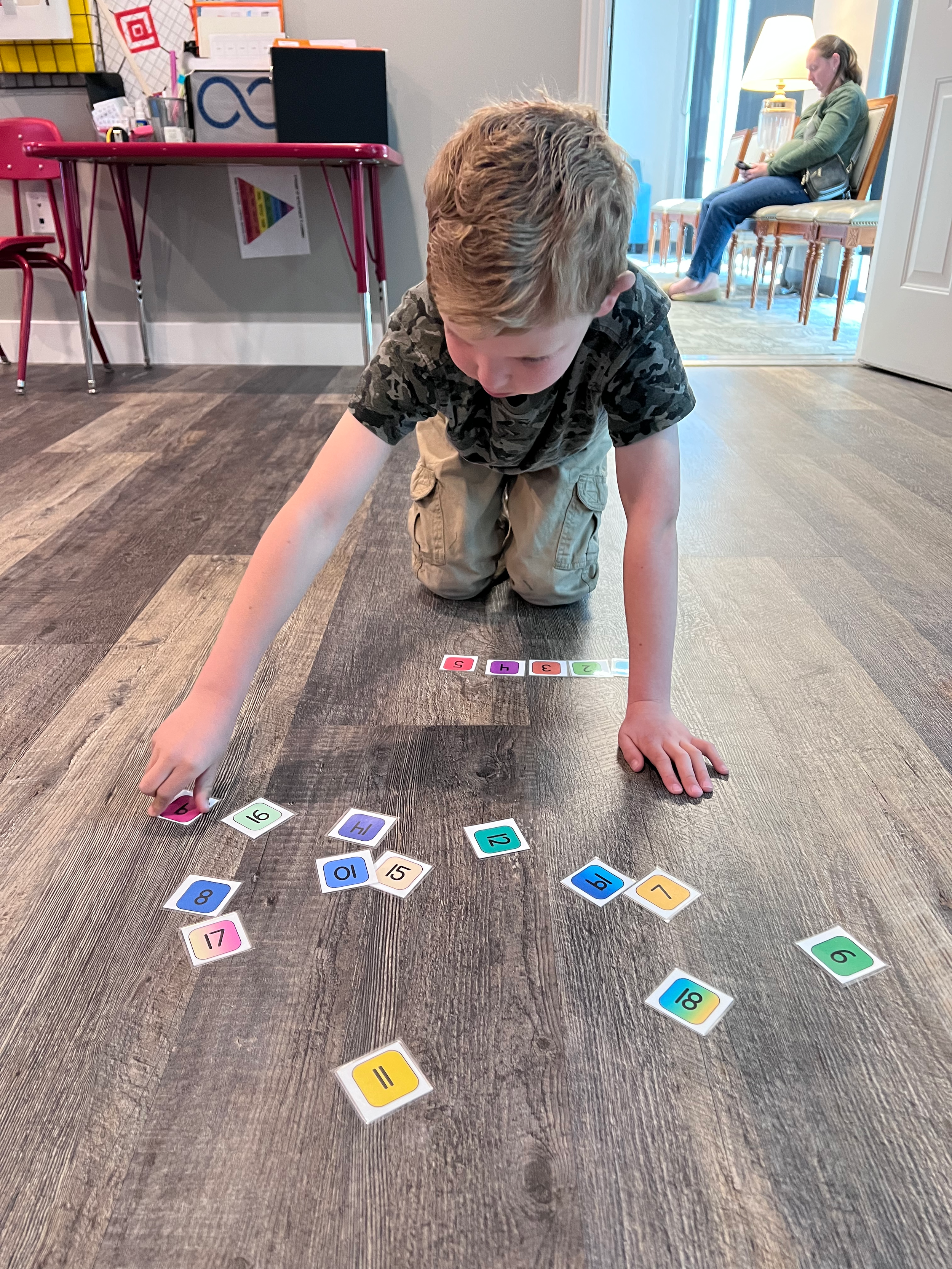
And just like speech therapy can train better brain-mouth coordination, VISION THERAPY (which is like physical therapy for vision problems) can train brain-eye coordination!
-
Learn More Here.
-
Proper visual function requires excellent, very high precision coordination between the brain and the eyes, so any damage to the brain can GREATLY affect visual function.
For example, someone who only suffers a “mild” concussion or TBI (traumatic brain injury) can have SIGNIFICANT loss of visual function.
Symptoms may include: vision going in and out of focus, vision possibly going “double” at times, overall eyestrain, fatigue, difficulty following moving objects, more difficult reading or doing any visual tasks etc.
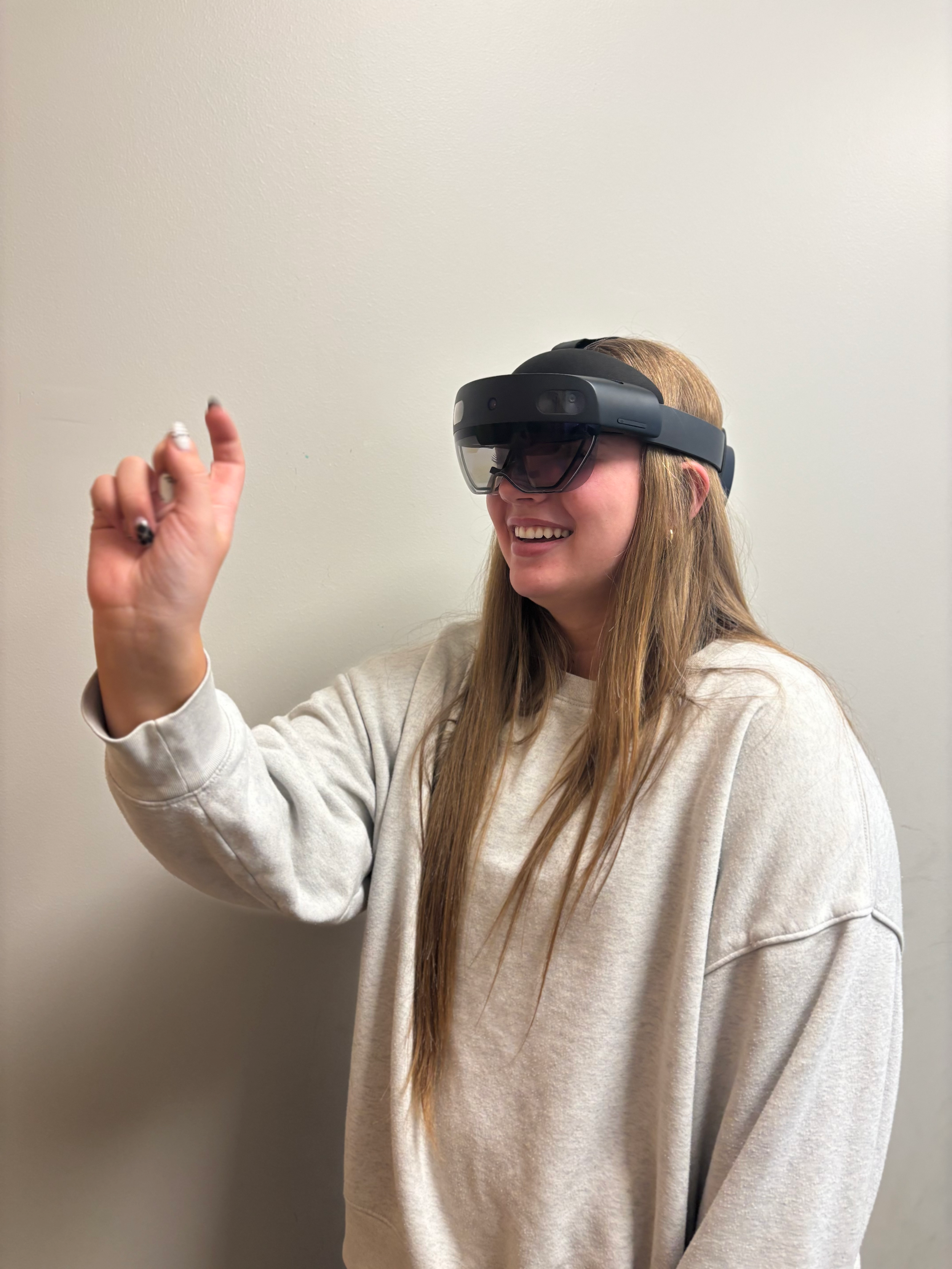
Our team at Utah Vision Solutions specializes in visual rehabilitation for people with visual struggles after many types of brain injury, such as concussions from car accidents, sports injuries, or even strokes and tumors.
-
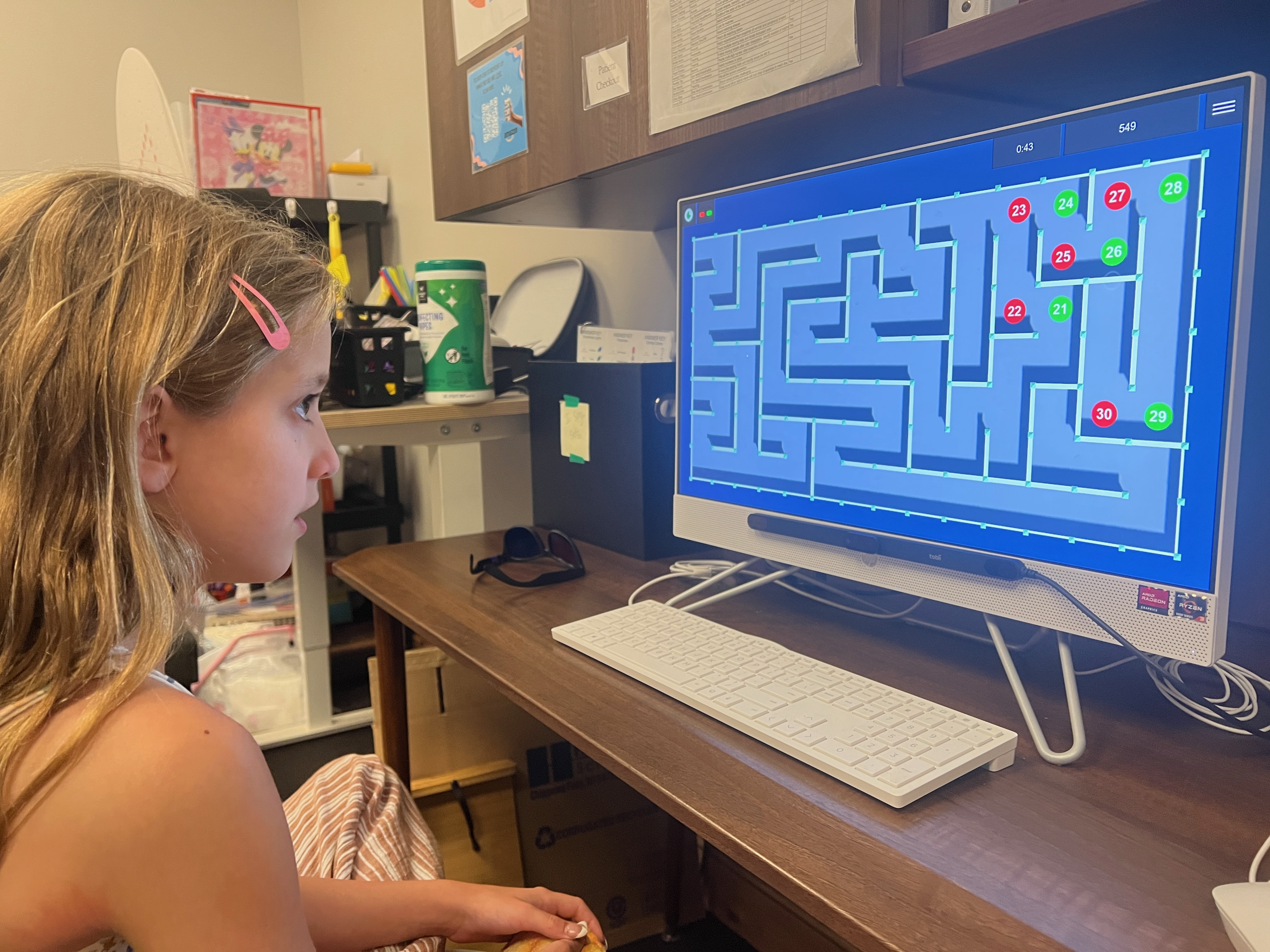
Sports vision training is a structured program of exercises and techniques designed to improve the visual skills that support athletic performance. It targets abilities such as dynamic visual acuity (seeing moving objects clearly), eye tracking, depth perception, peripheral awareness, hand-eye coordination, visual reaction time, and visual processing speed.
Learn more HERE.
-
Learn more HERE.